How Storm Season Debris Damages Driveways in Western Sydney
@deanapcc012
October 31, 2026 · 7 min read
Western Sydney's storm season is a regular test for local driveways. From October through to March, thunderstorms, hail, damaging winds and intense downpours sweep across suburbs from Penrith and Blacktown to Camden, Campbelltown and the Hills District. The Bureau of Meteorology consistently identifies the Sydney basin as one of the most thunderstorm-prone regions in Australia, and the debris these storms leave behind is often more damaging to driveways than the rain itself. Understanding how that damage happens is the first step toward protecting your property.
Why Western Sydney Driveways Are Especially Vulnerable
Western Sydney's climate and geology combine to put extra stress on paved surfaces. Summer temperatures regularly climb well above 35°C, and western suburbs typically run several degrees hotter than the coast. Concrete and asphalt expand in the heat, then face sudden cooling and saturation when a storm cell arrives. This rapid thermal cycling weakens surface layers over time and makes them more susceptible to cracking and surface wear.
Many parts of the region also sit on reactive clay soils, particularly the Wianamatta Shale found across much of the Cumberland Plain. These soils swell when wet and shrink as they dry. When storm debris blocks drainage and water pools beside or under a driveway, the movement in the clay beneath the slab can be amplified, leading to heaving, settling and cracking.
Common Types of Storm Debris That Cause Damage
Fallen Branches and Tree Limbs
Western Sydney streets are lined with mature eucalypts, which are known to shed limbs in strong winds. A heavy branch landing on a driveway can chip concrete, crack thin slabs, gouge asphalt and break pavers out of position. Even smaller branches become hazards when they are dragged or run over by vehicles, grinding sharp edges into the surface.
Leaves, Bark and Organic Matter
Wet leaf litter and bark left on a driveway can look harmless, but organic material traps moisture against the surface. Over days and weeks, tannins from eucalyptus leaves can stain concrete and pavers, while constant dampness encourages moss, algae and mould growth. This makes surfaces slippery and can accelerate surface deterioration, particularly on porous or unsealed concrete.
Gravel, Soil and Mulch Washout
Intense downpours can wash soil, mulch and loose gravel from garden beds and sloped properties onto the driveway. This sediment can clog drains, scour joints between pavers and leave stubborn stains. On gravel and decomposed granite driveways, heavy runoff can strip away the surface material entirely, leaving ruts and exposed subgrade.
Hail and Hard Debris
Hailstorms can carry roof tile fragments, loose fencing, garden items and other hard debris that impacts surfaces at speed. Large hail itself can pit or chip weaker surfaces, especially older asphalt and thin concrete toppings or coatings.
How Debris Leads to Long-Term Driveway Damage
Blocked Drainage and Pooling Water
One of the most serious effects of storm debris is blocked drainage. Leaves, silt and branches can clog grates, spoon drains, agricultural pipes and stormwater pits. When water cannot escape, it pools on or beside the driveway and seeps into joints and cracks. Over time, this softens the base layer, erodes the material beneath the slab and leads to sinking, cracking and potholes.
Surface Staining and Deterioration
Organic stains from leaves, oil residue washed in by runoff, and rust from metal debris can permanently mark concrete if left untreated. Salt-free as Sydney storms may be, the combination of moisture, acidity from decaying vegetation and heat can slowly erode the cement paste on the surface, exposing aggregate and leaving a rough, worn appearance.
Crack Expansion
Small hairline cracks are common in concrete, but storm debris and water can turn them into larger structural problems. Water enters the crack, carries fine particles away and weakens the support beneath. Roots from nearby trees can then exploit these gaps, and repeated wet and dry cycles widen the damage with every storm season.
Paver Displacement
Segmental paved driveways rely on compacted bedding sand and tight joints. Heavy runoff can wash out joint sand, while debris-clogged drainage allows water to undermine the base. The result is shifting, uneven pavers that create trip hazards and allow weeds to take hold.
Warning Signs to Look For After a Storm
After any significant storm, take a few minutes to inspect your driveway for early signs of damage. Catching problems early can prevent minor repairs from becoming expensive replacements.
- New or widening cracks in concrete or asphalt, especially near edges and joints
- Pooling water that remains for more than a few hours after rain stops
- Sunken or uneven sections suggesting the base has been washed out or softened
- Displaced or loose pavers and missing joint sand
- Dark stains or slippery growth where organic debris has sat
- Exposed gravel or aggregate where the surface has eroded
- Blocked grates and drains along or at the base of the driveway
Practical Steps to Protect Your Driveway
Clear Debris Promptly and Safely
Remove leaves, twigs and sediment as soon as it is safe to do so after a storm. Use a stiff broom or leaf blower rather than leaving material to break down on the surface. For larger branches, wait until conditions are safe and be mindful of fallen power lines. If a tree has come down near electrical infrastructure, contact Endeavour Energy or call the NSW SES on 132 500 for assistance rather than approaching it yourself.
Keep Drainage Paths Open
Check and clean grates, trench drains and downpipe connections before the storm season begins and after each major event. Make sure water is directed away from the driveway edges and toward approved stormwater outlets. Where runoff from a sloping block regularly deposits sediment, consider installing a cut-off drain or adjusting garden edging to hold soil back.
Seal and Maintain the Surface
A quality penetrating sealer on concrete reduces moisture absorption and makes staining easier to clean. Asphalt driveways benefit from periodic sealcoating, while paved surfaces should have joint sand topped up or polymeric sand applied to resist washout. Scheduling this work in spring, ahead of peak storm activity, offers the best protection.
Manage Nearby Trees
Regular pruning of overhanging limbs reduces the chance of heavy branches landing on your driveway. Check your local council's rules first, as councils across Western Sydney, including Penrith, Blacktown, Liverpool, Fairfield and The Hills, have regulations on pruning or removing trees, particularly those protected by a Tree Preservation Order. An arborist can assess tree health and advise on safe, compliant work.
Clean Stains Early
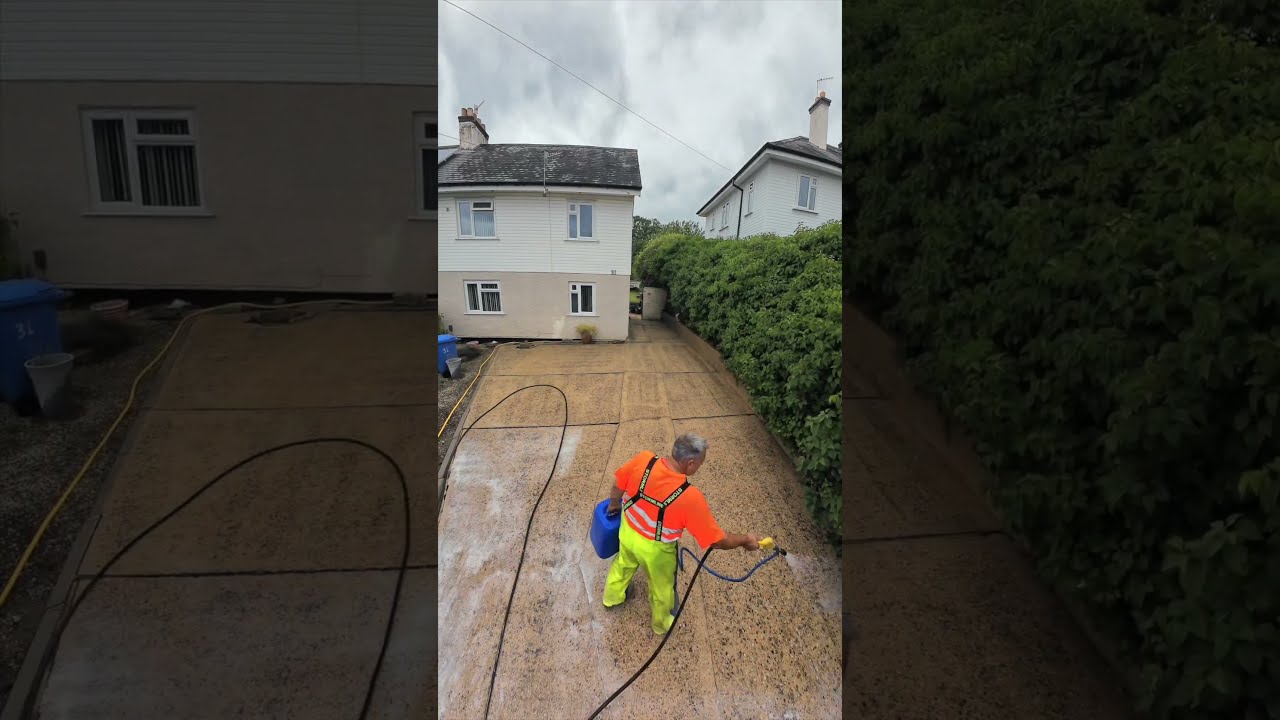
Pressure washing at a suitable setting, combined with a concrete-safe cleaner, can remove organic staining before it sets. Avoid using excessive pressure on older or damaged surfaces, as this can strip the surface and worsen wear.
When to Call a Professional
Some storm damage is beyond a simple sweep and wash. If you notice cracks wider than a few millimetres, sections that have dropped or lifted, persistent pooling, or widespread paver movement, it is worth having the driveway assessed. A qualified paving or concrete contractor can identify whether the problem is limited to the surface or caused by a failing base or drainage issue.
Early repairs are almost always more cost-effective. Crack filling, resealing, drainage upgrades and localised paver relaying cost far less than full driveway replacement. Professional inspection is especially valuable if your property sits on reactive clay or a sloping block, where water movement is a constant concern.
Insurance and Storm Damage Considerations
If a storm causes sudden damage, such as a fallen tree cracking your driveway, check your home and contents policy. Coverage for driveways varies between insurers, and some policies treat storm damage differently from gradual wear https://pressurecleaningwesternsydney.com.au/ and tear. Photograph the damage, keep records of any clean-up and repair costs, and speak with your insurer promptly. Following major storm events, the NSW Government and insurers sometimes put in place additional support measures, so it is worth checking current arrangements.
Prepare Now for Next Storm Season
Storm activity in Western Sydney is a certainty each summer, and the cumulative effect of debris, water and heat can shorten the life of a driveway considerably. With regular clearing, effective drainage, appropriate sealing and timely repairs, most driveways can withstand the season with minimal damage. Taking action before the next round of storms, and into 2027 and beyond, protects not only your driveway but also your property's safety, appearance and value.
Western Sydney Pressure Cleaning
Unit 2/1 Cowpasture Pl, Wetherill Park NSW 2164
(02) 9000 1596